Scientists Discover a Surprising Physical Clue Behind Rising Colon Cancer in Young Adults
A Strange Physical Clue May Explain Why Colon Cancer Is Increasing in Young Adults

Scientists Discover a Surprising Physical Clue Behind Rising Colon Cancer in Young Adults
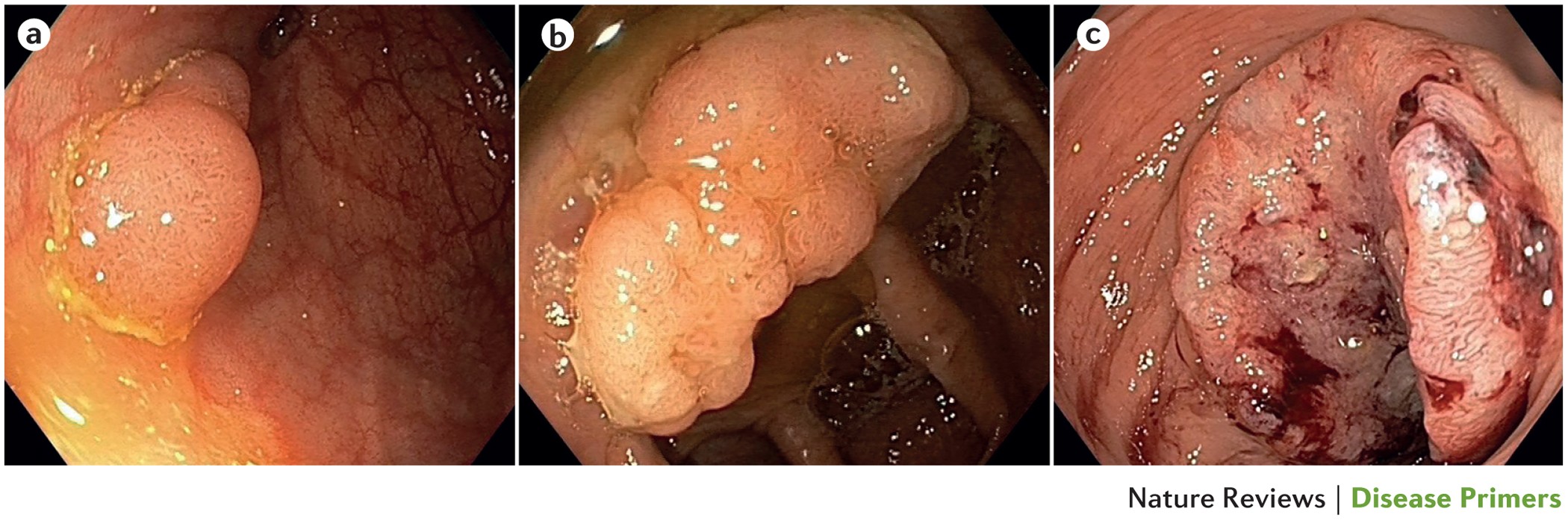
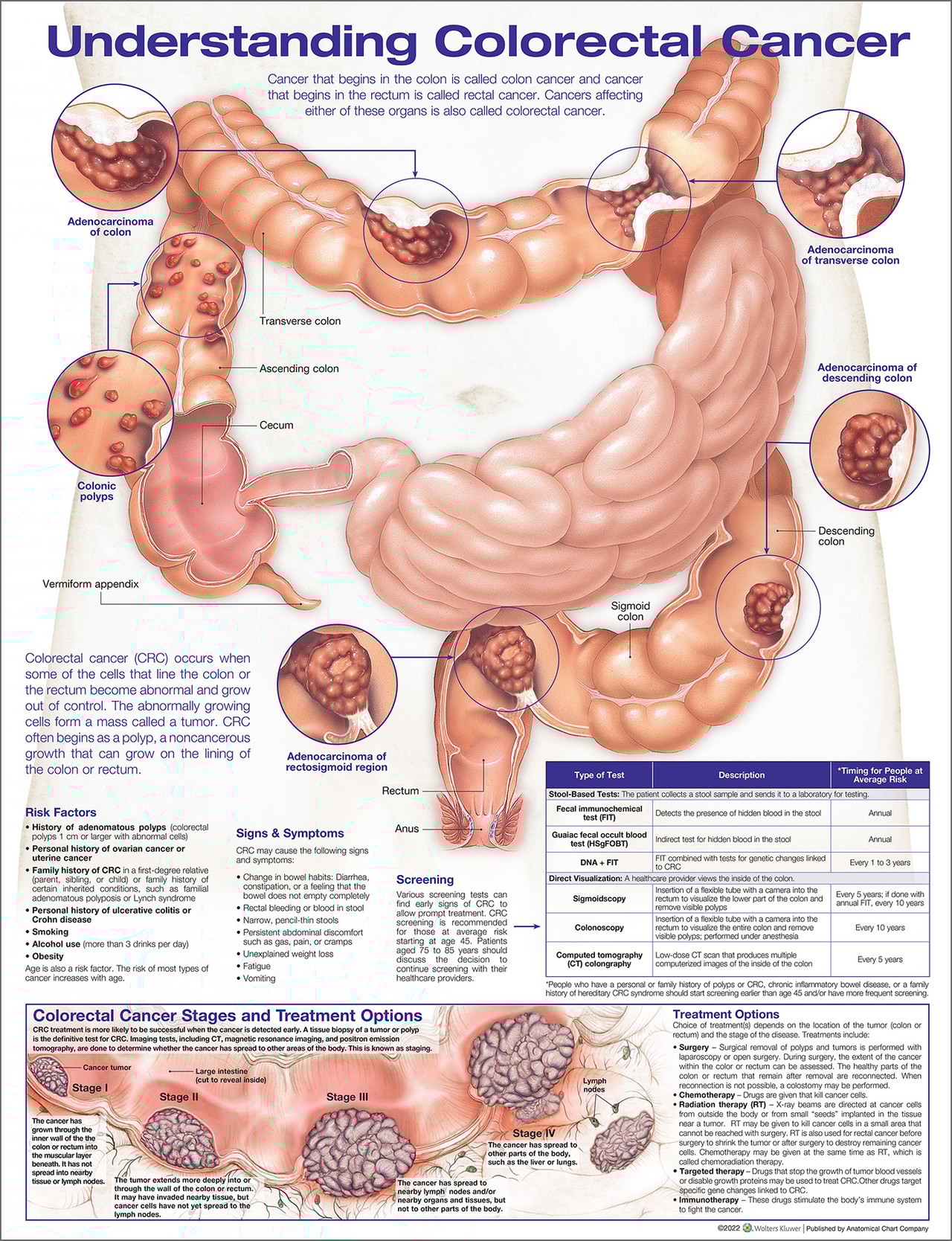
For decades, colon cancer was mostly considered a disease that appeared later in life. Doctors expected to see it in patients over 50.
That pattern is changing.
Cases among younger adults have been rising for years, and researchers have been struggling to understand why. Now scientists at the University of Texas at Dallas may have uncovered a surprising physical clue hidden inside colon tissue itself.
What they found is unexpected. In younger patients, the colon appears to be physically different.
And that difference may help tumors grow.
Scientists Found Something Unusual Inside the Colon Tissue of Younger Patients
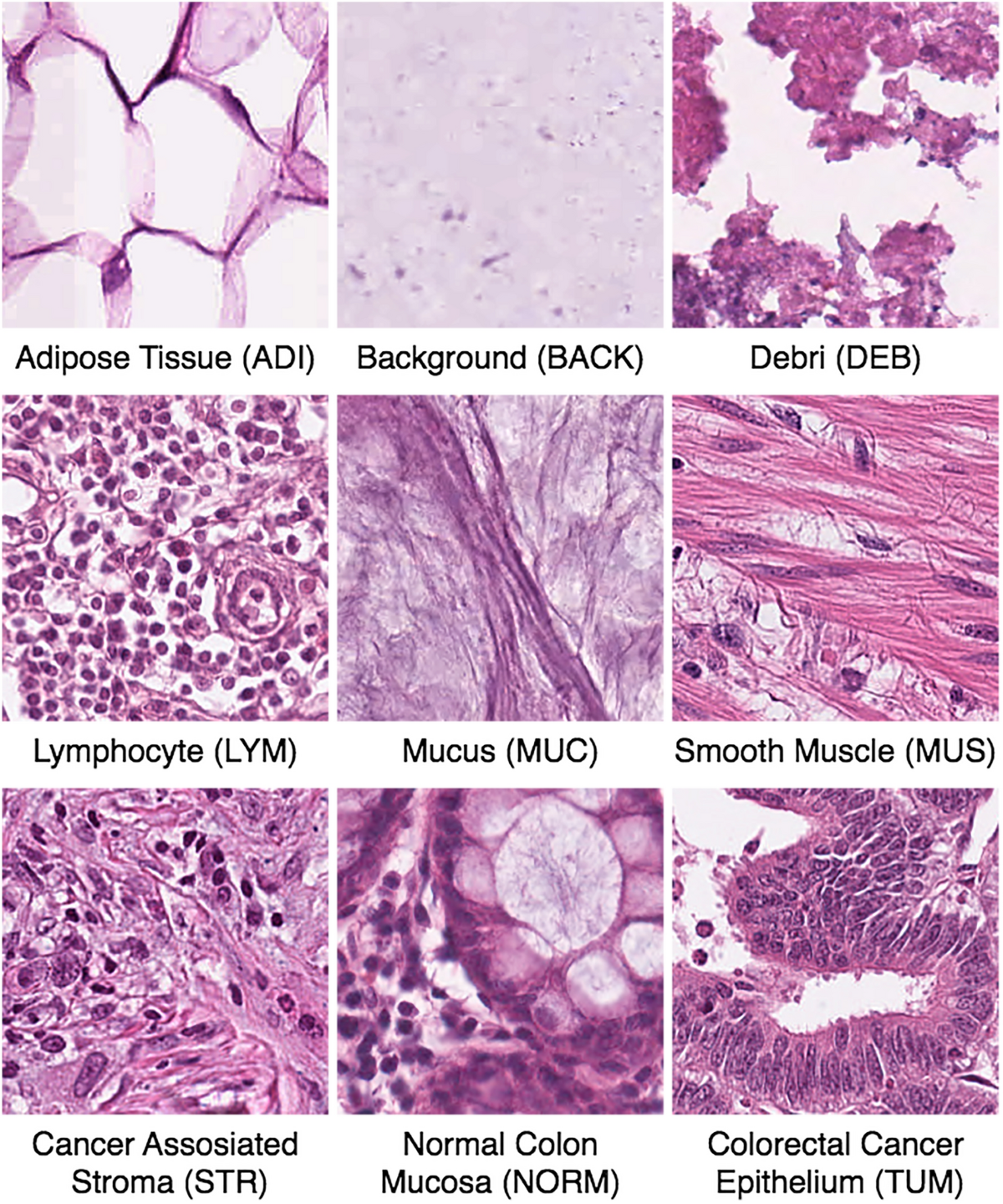
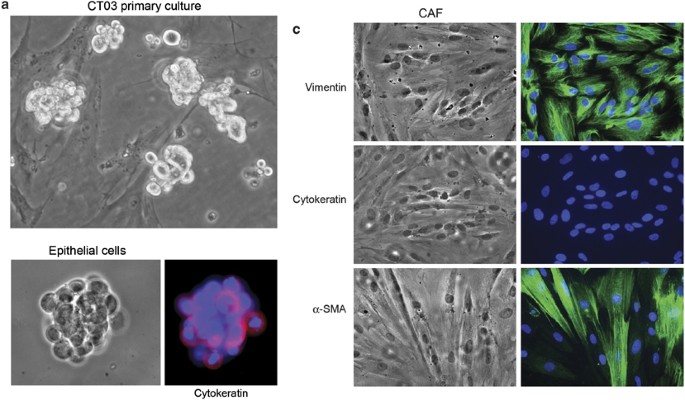
A team of bioengineers from the University of Texas at Dallas worked with researchers at UT Southwestern Medical Center to study tissue samples from colorectal cancer patients.
They compared two groups.
Patients over 50 with typical colorectal cancer.
Patients under 50 diagnosed with early onset colorectal cancer.
The results were striking.
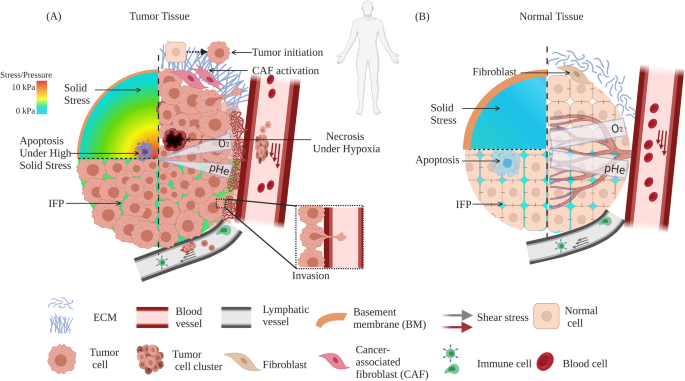
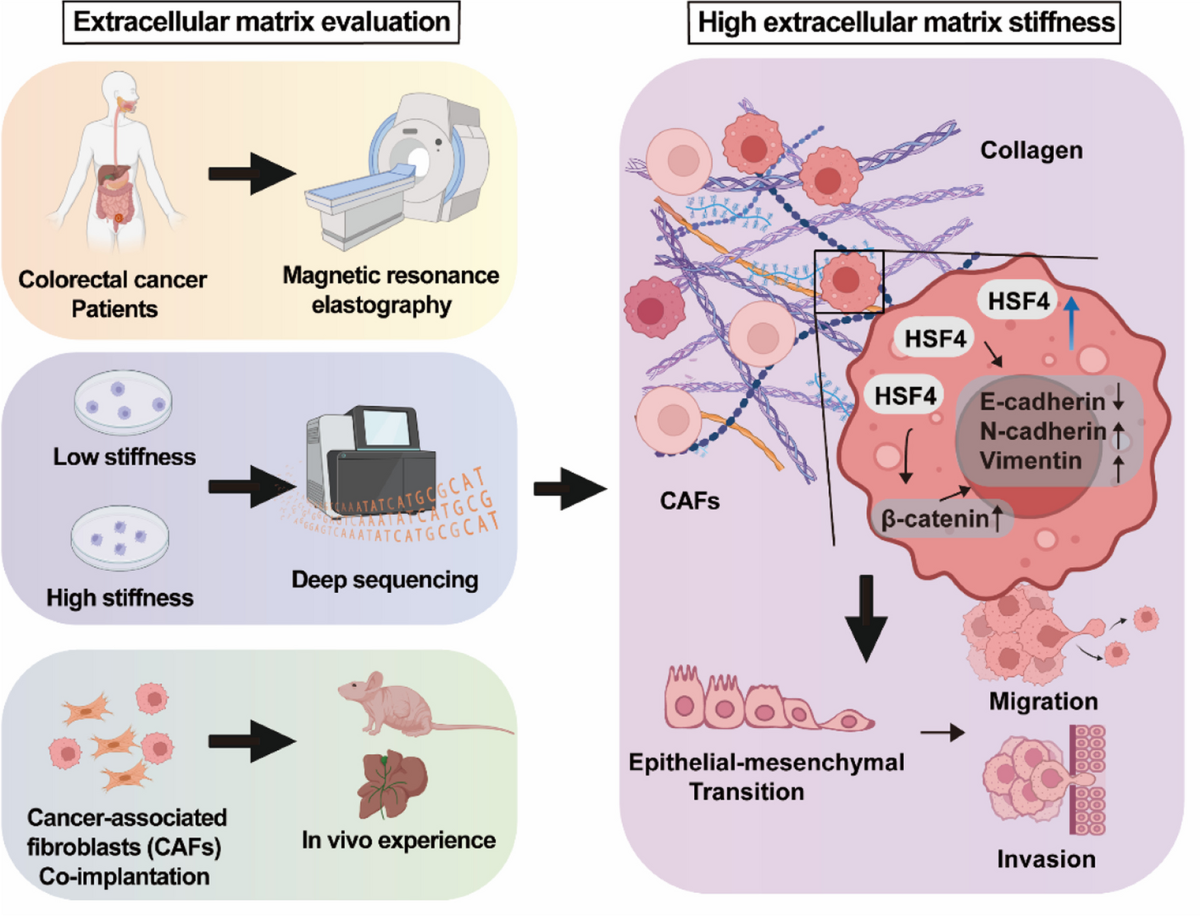
Both tumor tissue and nearby healthy colon tissue in younger patients were significantly stiffer than the tissue found in older patients.
The discovery was published in the journal Advanced Science.
When I first read this result, I paused for a moment. Most discussions about cancer focus on genetics or lifestyle. The physical stiffness of tissue is not something people usually think about.
Yet it might be a major part of the puzzle.
Why the Flexibility of the Colon Actually Matters
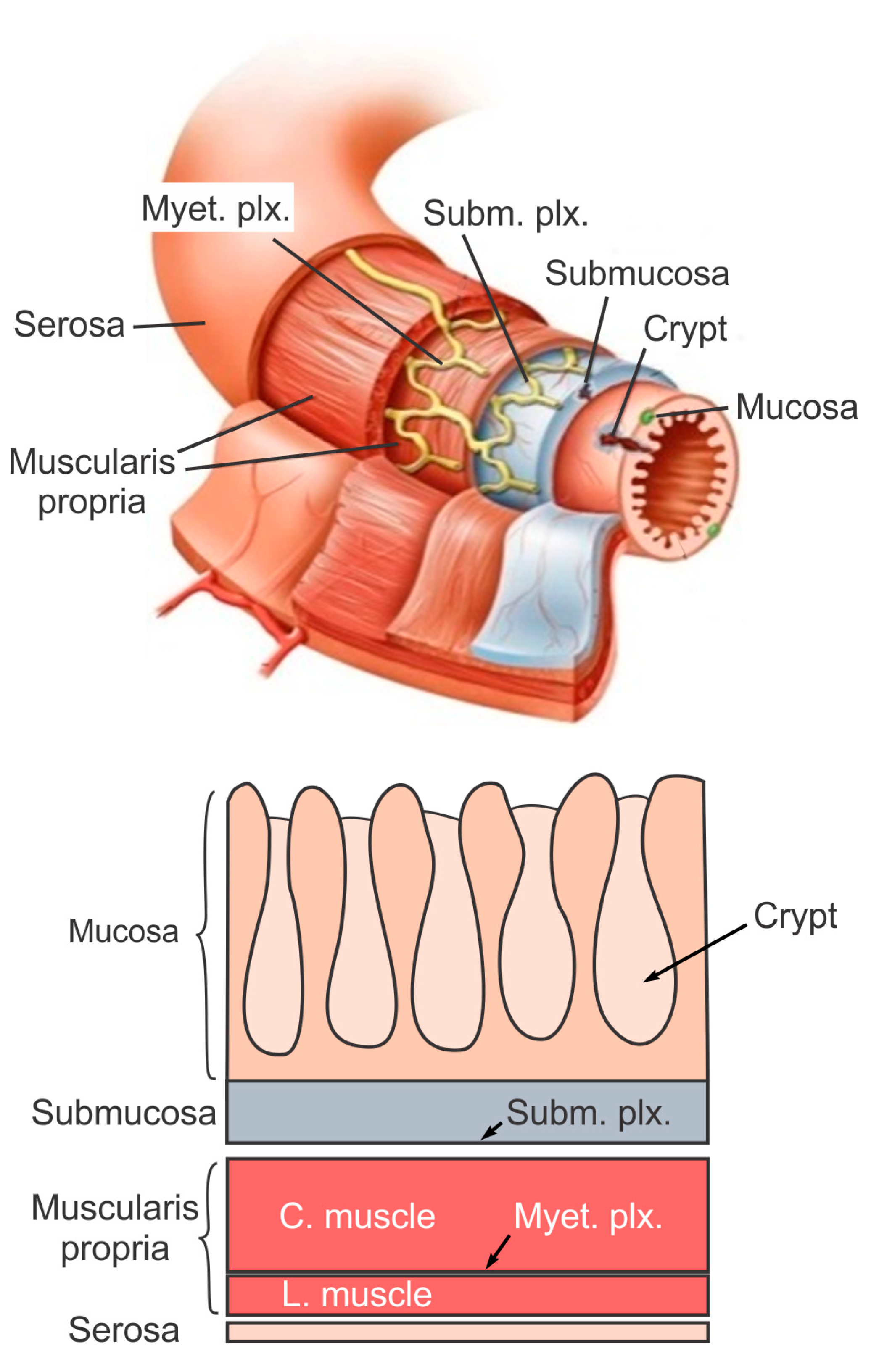

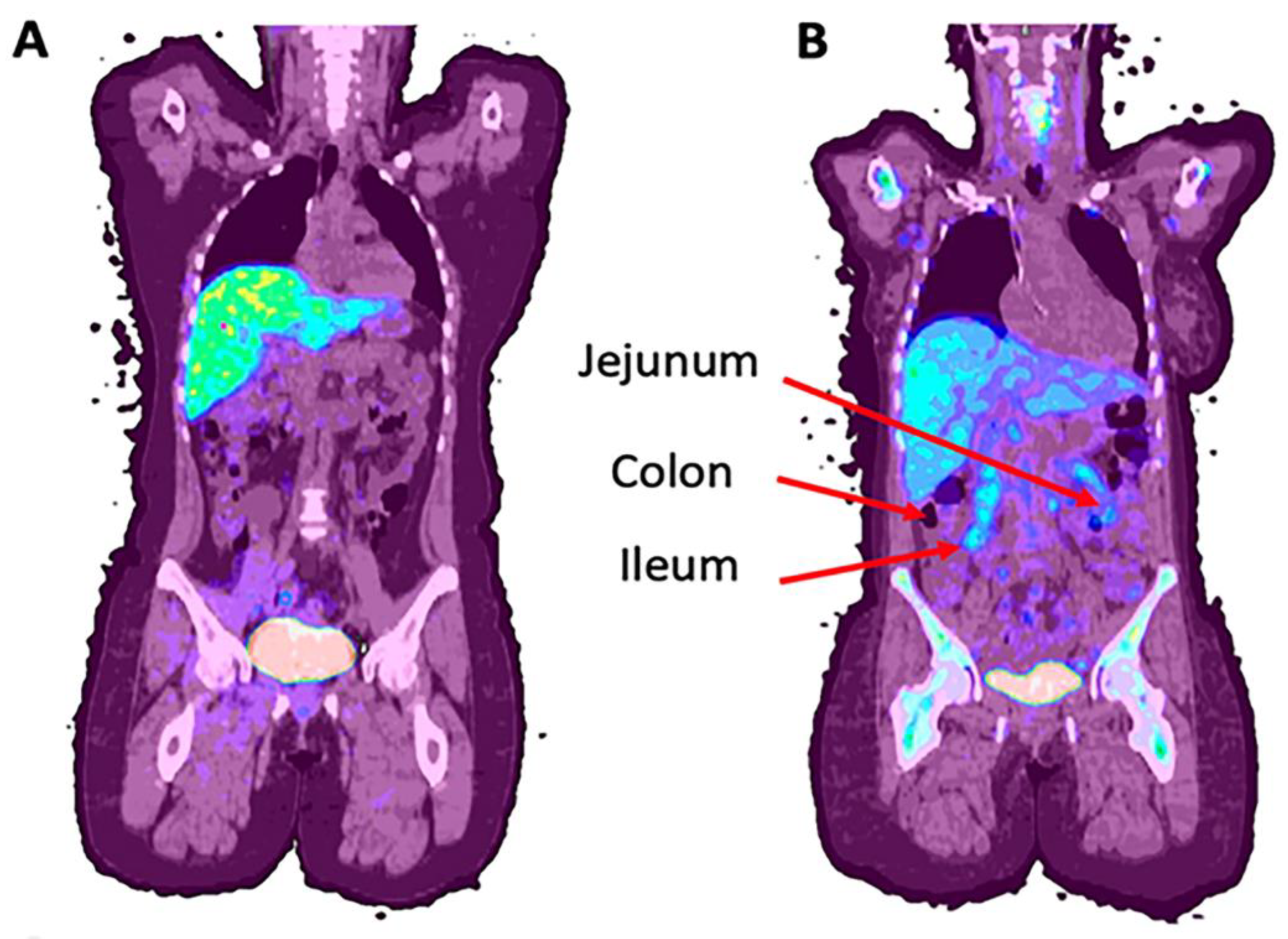

The colon is normally a flexible tube. Muscles contract in coordinated waves that move waste through the body.
Flexibility is essential.
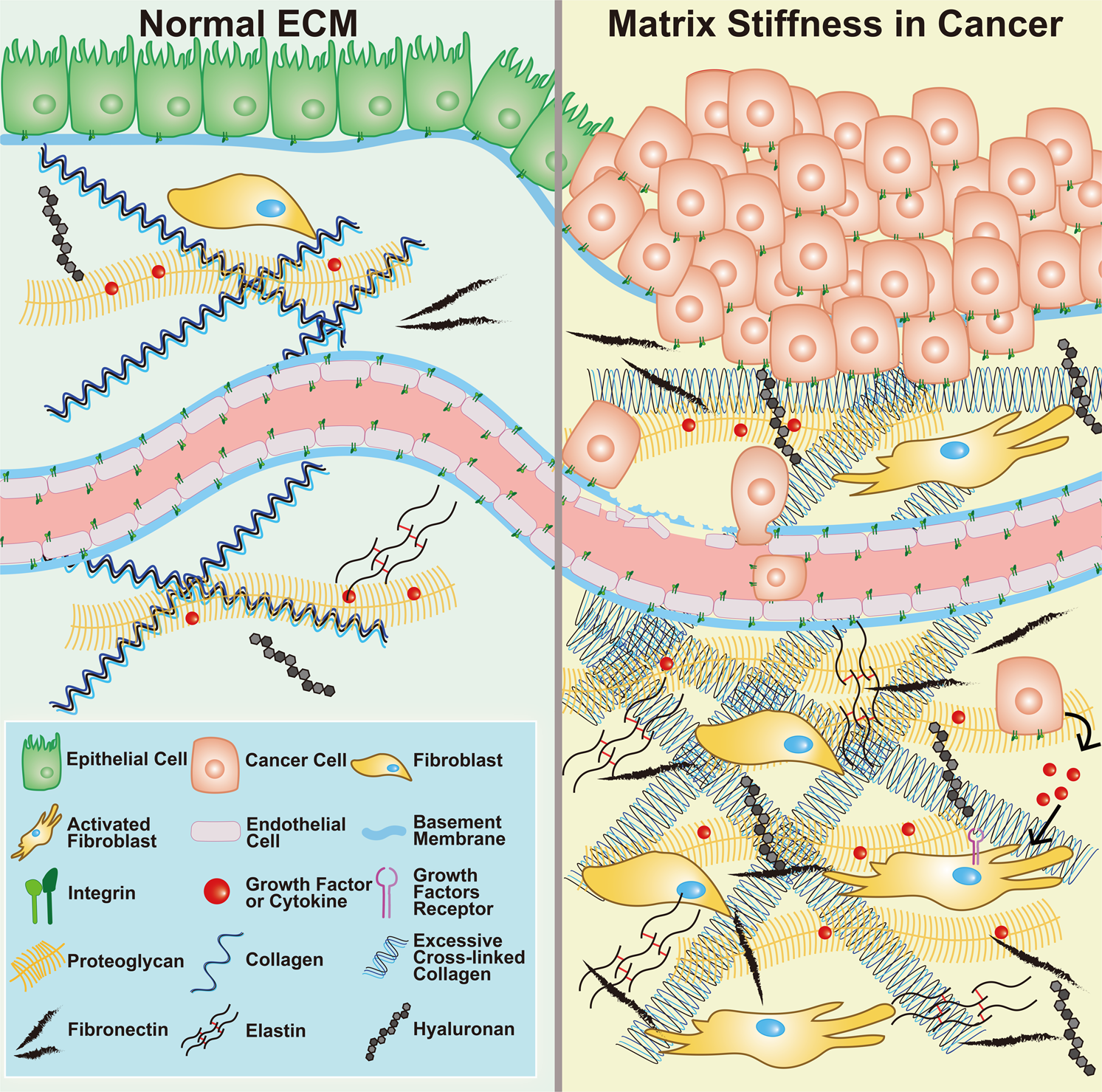
Inside the colon wall sits a supportive structure called the extracellular matrix. This network contains collagen fibers that help maintain the shape and strength of the tissue.
Problems begin when this matrix changes.
Inflammation or fibrosis can cause collagen to accumulate and thicken. As collagen builds up, tissue becomes stiffer and more rigid.
Researchers suspected this mechanical change might influence cancer development.
So they decided to test it directly.
Engineers Tested the Tissue Like a Tiny Mechanical System

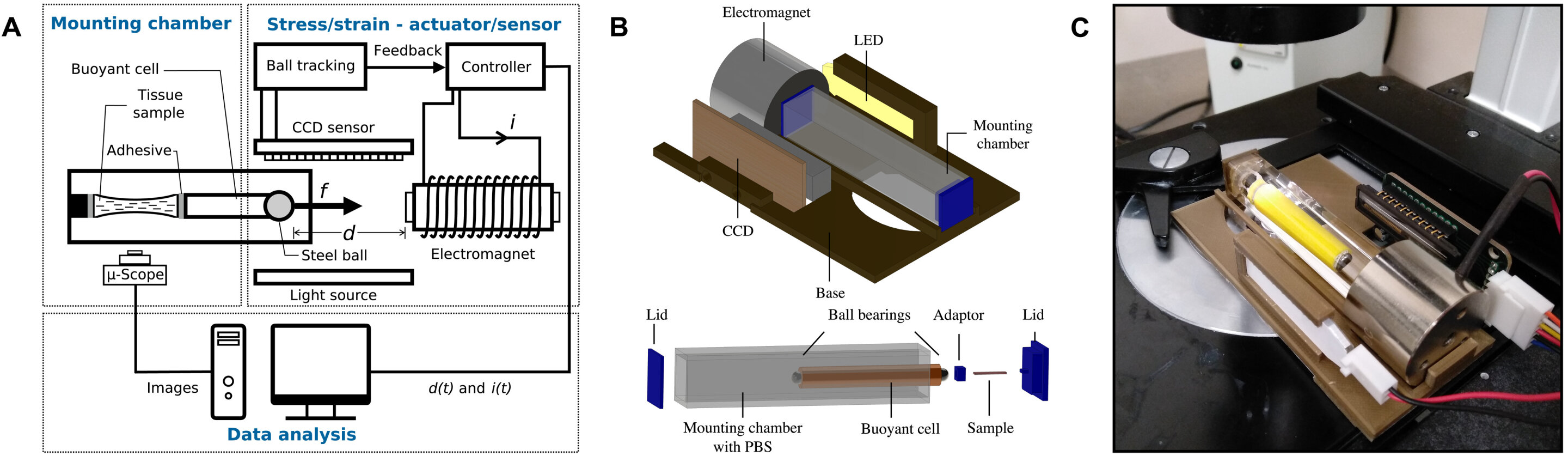
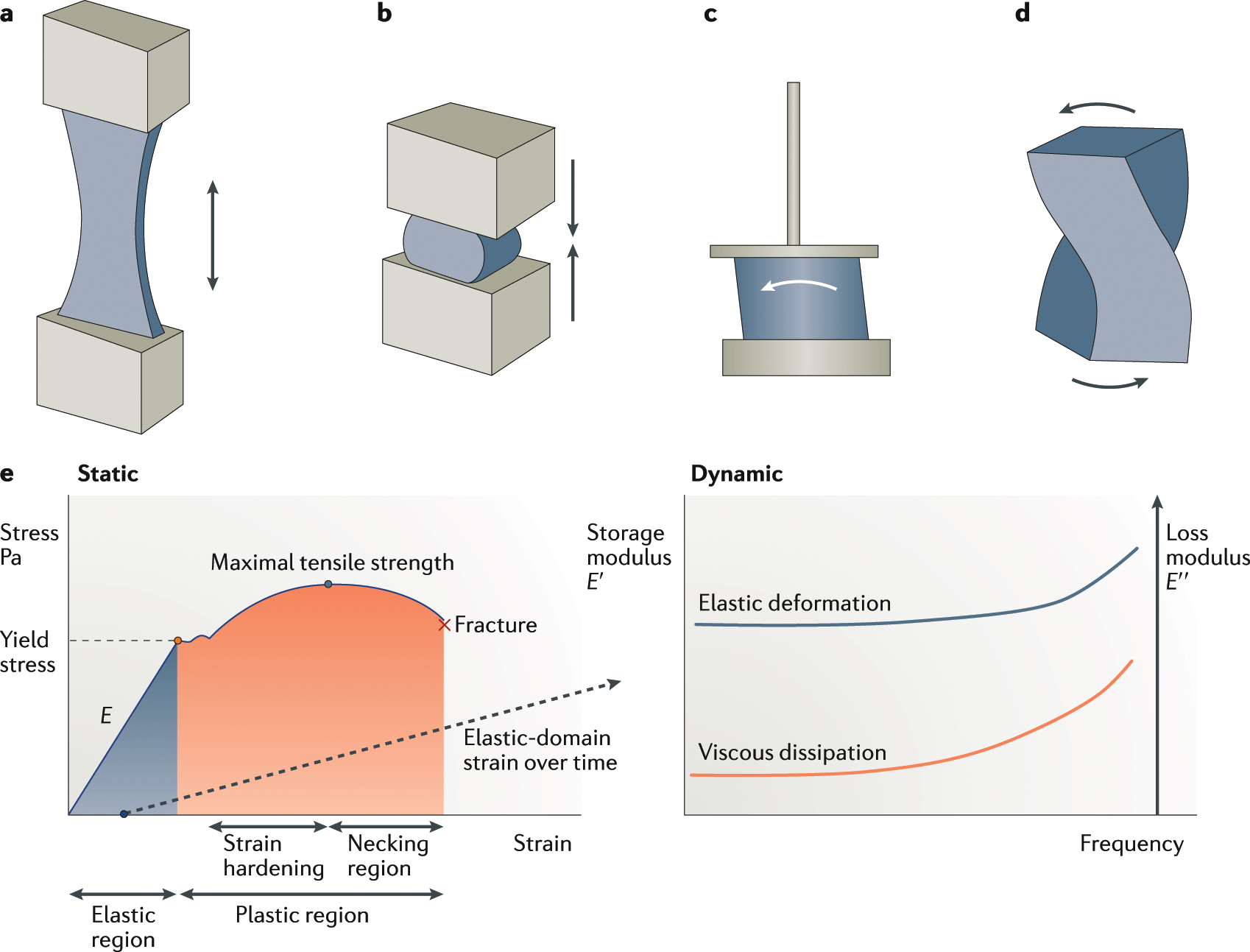
To measure stiffness, the researchers used a technique called microindentation.
A tiny probe presses gently into tissue samples and measures how strongly the material resists pressure. The method allows scientists to detect subtle differences in mechanical properties.
The team analyzed tissue from 19 patients over 50 and 14 younger patients diagnosed with early onset colorectal cancer.
Additional structural and genetic studies were also performed.
The pattern became clear.
Colon tissue from younger patients looked fibrotic. In other words, it resembled scar like tissue and contained unusually high levels of collagen.
Collagen normally helps maintain structure, but excessive amounts make tissue abnormally rigid.
What surprised researchers most was that even the healthy tissue surrounding tumors was stiffer in younger patients.
This is the part many people overlook. The environment around a tumor can influence how cancer behaves.
Stiffer Tissue Turns Out to Help Cancer Cells Grow Faster

The researchers wanted to know whether stiffness actually affects tumor growth.
So they recreated those conditions in the lab.
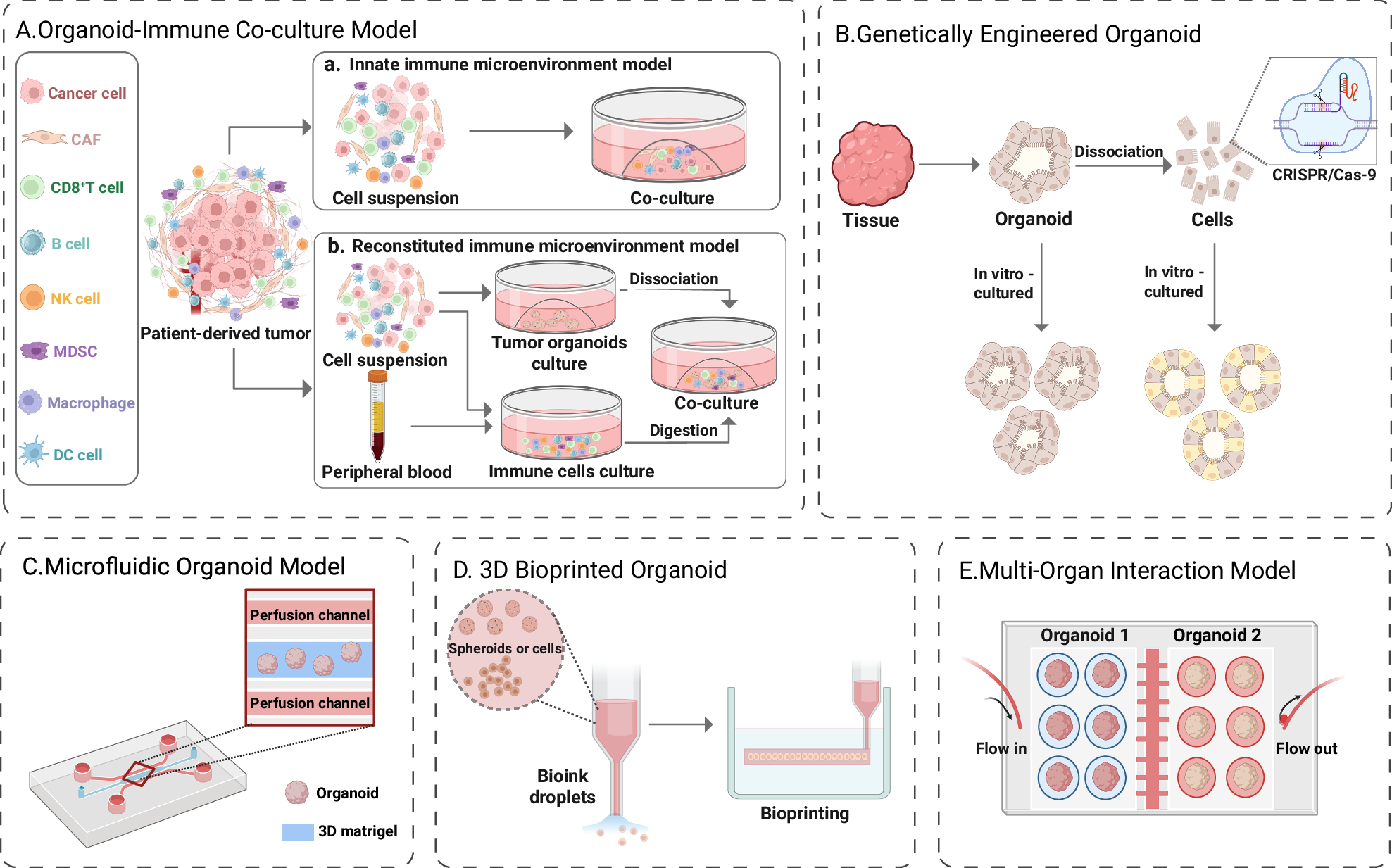
Cancer cells were placed on biomaterials engineered to mimic the mechanical properties of real colon tissue. Some environments were soft. Others were stiff.
The results were clear.
Cells growing in stiffer environments multiplied more rapidly.
The team also created patient derived organoids, miniature three dimensional tissue models that replicate features of the original organ. These experiments showed the same pattern.
Cancer cells grew faster in rigid environments regardless of whether the cells came from younger or older patients.
That detail honestly caught my attention. It suggests the physical environment surrounding a tumor might accelerate cancer development.
A New Way to Think About Preventing Early Colon Cancer


Early onset colorectal cancer has been increasing for nearly three decades. According to the American Cancer Society, it has become the leading cause of cancer related deaths among people younger than 50 in the United States.
Researchers believe biomechanical forces may now be part of the explanation.
Dr Jacopo Ferruzzi from the University of Texas at Dallas described the study as the first to highlight the role of biomechanical forces in the development of early onset colorectal cancer.
Dr Emina H Huang of UT Southwestern Medical Center believes the findings could help identify people at risk and guide new treatment strategies.
Understanding how physical forces influence tumors could eventually open the door to earlier diagnosis and new therapies.
I find this direction of research fascinating. Cancer biology is not only about genes and mutations. Sometimes the physics of the body itself shapes how disease develops.
Scientists are only beginning to explore that idea.
And I will be watching closely to see where this research leads next.
Open Your Mind !!!
Source: University of Texas at Dallas / Advanced Science


Comments
Post a Comment