Clinical Evidence Suggests Metformin Lowers Insulin Demand in Type 1 Diabetes
Clinical Evidence Suggests Metformin Lowers Insulin Demand in Type 1 Diabetes

A Familiar Drug Finds a New Role in Type 1 Diabetes
Garvan Institute of Medical Research has spent years studying the complicated biology behind diabetes, yet even experienced researchers occasionally run into results that force them to pause and rethink old assumptions. That is exactly what happened in a recent clinical trial involving metformin, a medication that has existed for decades and is usually associated with type 2 diabetes rather than type 1.
At first, the idea seemed straightforward. Many doctors already prescribe metformin to some people living with type 1 diabetes, especially when insulin resistance begins to appear. The logic made sense. If the drug improves insulin sensitivity in type 2 diabetes, perhaps it does something similar in type 1.
However, biology rarely behaves exactly the way textbooks suggest.
The trial revealed something subtle but meaningful. Metformin did not improve insulin resistance in the way researchers expected. Yet it still produced a measurable benefit. People taking the drug needed less insulin overall to maintain stable blood glucose levels.
That outcome sounds simple on the surface. In reality, it raises deeper questions about how metabolism actually works in the body, and why older medications sometimes hold unexplored potential.
The Daily Reality of Living With Type 1 Diabetes
To understand why this finding matters, it helps to picture daily life for someone managing type 1 diabetes. The condition is autoimmune. The immune system mistakenly attacks the insulin producing cells in the pancreas, leaving the body unable to regulate blood sugar naturally.
From that point forward, insulin therapy becomes permanent.
This is not a once a day routine. It is constant decision making. A person may wake up and immediately check glucose levels. Breakfast choices matter. Exercise changes insulin needs. Stress alters metabolism. Even sleep quality can shift glucose patterns the next morning.
Some estimates suggest that individuals living with type 1 diabetes make well over a hundred treatment related decisions every day. That number is easy to believe if you have ever watched someone adjust insulin doses before meals, correct glucose spikes in the afternoon, and recheck levels before going to bed.
There is also a mental load that rarely appears in medical charts. Managing a chronic condition means always thinking a few steps ahead.
Because of this, any treatment that reduces insulin requirements even slightly can have a practical impact.
Why Doctors Began Using Metformin in Type 1 Diabetes
Metformin has been prescribed for type 2 diabetes for generations. It is affordable, widely available, and generally well understood in that context. The medication primarily helps the body respond more efficiently to insulin and reduces excessive glucose production in the liver.
Over time, clinicians noticed that some people with type 1 diabetes also develop insulin resistance. This can happen for several reasons, including weight gain, aging, or changes in lifestyle patterns.
When insulin resistance appears, patients often need higher insulin doses. Higher doses can sometimes increase the risk of side effects such as weight fluctuations or glucose variability.
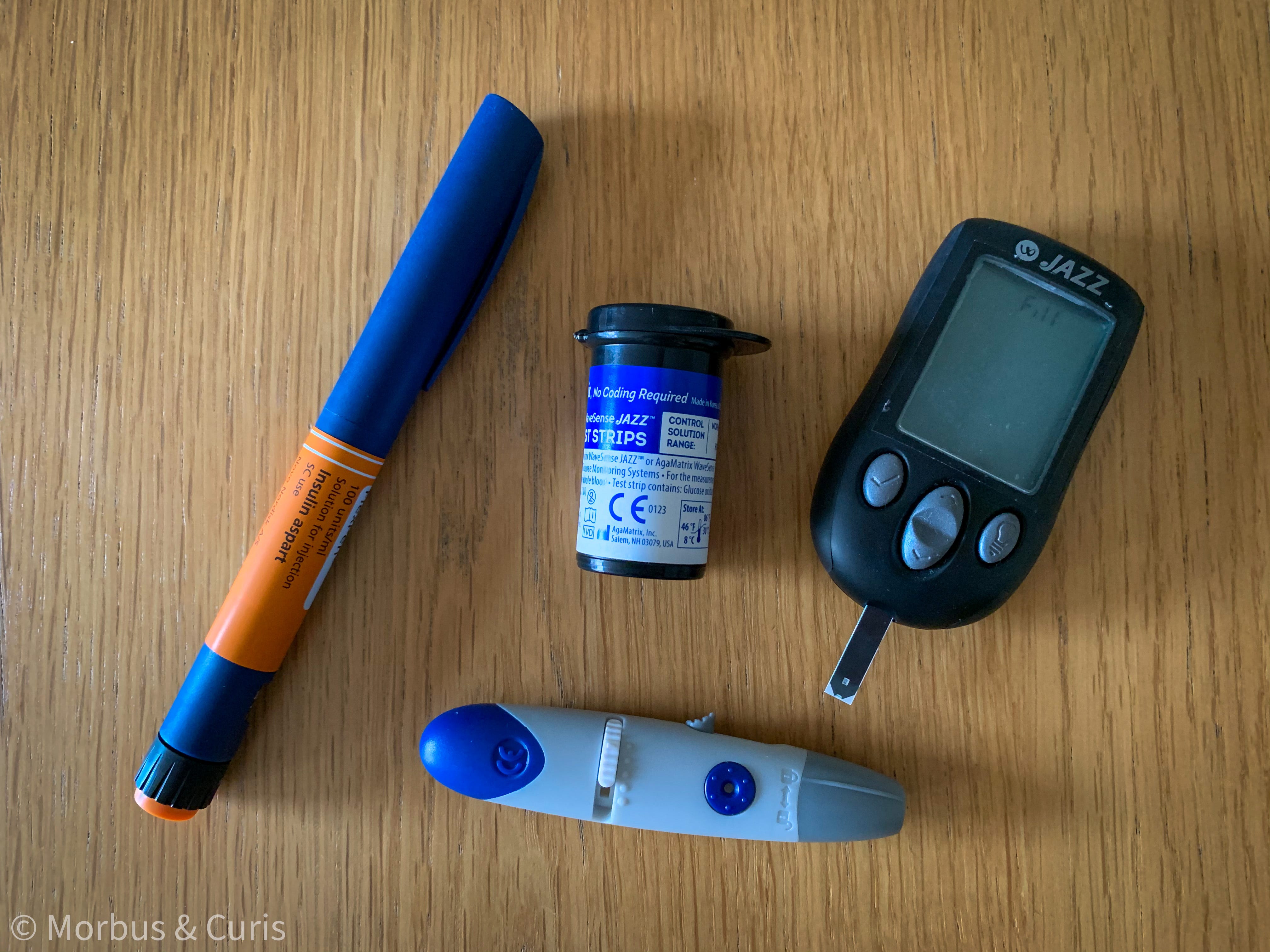
Therefore, some doctors began prescribing metformin off label for type 1 diabetes. The expectation was simple. If the drug improves insulin sensitivity in type 2 diabetes, it might produce the same effect here.
Yet there was a gap between clinical intuition and strong experimental proof.
Many treatment habits in medicine begin this way. A therapy appears helpful in practice, so it gradually becomes accepted. Later, researchers return to test the assumption carefully.
That is exactly what this study set out to do.
Designing a Study That Looks Deeper

The research team wanted more than observational impressions. They needed controlled evidence.
The study was structured as a randomized clinical trial involving adults who had lived with type 1 diabetes for many years. Participants were divided into two groups. One group received metformin, while the other received a placebo. Neither group knew which treatment they were receiving during the trial period.
This approach reduces bias and helps isolate the real biological effects of the drug.
The work was led by endocrinologist Jennifer Snaith together with Jerry Greenfield, both deeply involved in metabolic research.

Rather than relying only on routine glucose measurements, the team used an advanced metabolic technique called a clamp study. This method allows researchers to track how the body responds to insulin in different tissues, including muscle and liver.
It is one of the most precise tools available for studying insulin resistance, although it requires careful laboratory control and significant time.
In other words, the researchers were not looking for surface level patterns. They wanted to understand mechanisms.
The Result That Forced a Rethink
When the data began to take shape, something unexpected appeared.
Metformin did not significantly improve insulin resistance in these participants. Blood glucose control also remained broadly similar between the groups.
At first glance, this might sound disappointing. If the drug was not improving insulin sensitivity, perhaps it was not doing much at all.
But then another pattern emerged.
Participants taking metformin required roughly twelve percent less insulin to maintain stable glucose levels compared to those taking placebo.

That number may seem modest. However, in real clinical practice, even small reductions in insulin demand can simplify daily management.
Imagine someone who takes multiple injections every day or adjusts doses frequently. A consistent reduction could mean fewer corrections, less variability, and potentially lower mental strain.
The result did not fit the original hypothesis, yet it clearly mattered.
When a Drug Works But Not for the Expected Reason
One of the most interesting aspects of medical science is how often treatments work for reasons different from what researchers initially believe.
Metformin is actually a good example of this pattern. Despite being used for decades, its complete mechanism of action is still not fully understood.
The trial findings suggest that the drug is influencing metabolic processes in type 1 diabetes through a pathway unrelated to classic insulin sensitivity.

That realization opens a new set of questions.
If insulin resistance is not the main factor, what else could be happening inside the body.
Researchers began exploring alternative explanations, and one possibility quickly moved to the center of attention.
The Gut Microbiome Enters the Conversation
In recent years, scientists have become increasingly interested in the gut microbiome. This term refers to the enormous community of bacteria and microorganisms living inside the digestive system.
At one time, these microbes were viewed mostly as passive passengers. Now they are recognized as active participants in metabolism, immune regulation, and even hormone signaling.
Metformin appears to interact with the gut in ways that are still being mapped.
Some studies suggest the drug alters bacterial composition. Others propose that it changes how the intestine processes nutrients or communicates with the liver.
The research team plans to explore whether these microbiome changes might explain the reduced insulin requirement observed in the trial.
This direction makes sense. The digestive system plays a central role in glucose regulation, and subtle shifts in microbial balance can influence how the body handles energy.
Still, it is early territory.
Microbiome research often produces intriguing correlations that require careful interpretation before firm conclusions can be drawn.
Why Insulin Reduction Matters More Than It Sounds

Insulin therapy remains lifesaving for people with type 1 diabetes. There is no replacing it. However, it is not effortless.
Higher insulin doses can sometimes lead to increased glucose variability or weight related challenges. Moreover, managing frequent adjustments adds cognitive load to an already demanding routine.
A twelve percent reduction in insulin may not transform treatment overnight, yet it could ease daily complexity.
Think of it like reducing the number of small corrections someone has to make throughout the day. The total time saved might be modest, but the mental relief could be noticeable.
There is also a long term perspective. Lower insulin requirements might influence metabolic stability over years rather than weeks.
Researchers are cautious here, and rightly so. Longer follow up studies would be necessary to confirm broader benefits.
A Reminder That Type 1 and Type 2 Diabetes Are Not Mirror Images
The findings also highlight an important conceptual distinction.
Type 1 diabetes and type 2 diabetes share the word diabetes, yet their biological origins differ significantly. Type 1 is driven by autoimmune destruction of pancreatic cells. Type 2 is typically associated with insulin resistance and metabolic dysfunction.
Because metformin is strongly linked to type 2 treatment, it was natural to assume its mechanism would translate directly.
The trial suggests otherwise.

This does not mean the drug lacks value in type 1 diabetes. Instead, it suggests the effect operates through a different pathway.
Medicine often advances through these clarifications. Treatments remain useful, but the understanding becomes more precise.
The Emotional Layer Often Overlooked in Clinical Discussions
Scientific papers usually focus on numerical outcomes, yet chronic disease management includes emotional dimensions that numbers rarely capture.
People living with type 1 diabetes frequently describe treatment as relentless. There is no pause button.
Devices such as continuous glucose monitors and insulin pumps have improved management dramatically. Even so, the responsibility never fully disappears.
Therefore, small improvements in daily workflow can carry psychological significance.
Reducing insulin demand might not sound dramatic in a laboratory context. In everyday life, it could translate into fewer adjustments and less decision fatigue.
That perspective helps explain why researchers consider the result meaningful.
What the Study Does Not Claim
It is equally important to understand the limits.
The trial involved a relatively small group of participants and lasted six months. While the methodology was rigorous, larger and longer studies would help confirm the consistency of the effect.
Additionally, metformin does not replace insulin in type 1 diabetes. The drug functions as a supportive therapy rather than a primary treatment.
There are also individual differences. Not every patient responds the same way to metabolic medications.
Some clinicians may choose to use metformin selectively rather than broadly.
These nuances matter because medical headlines sometimes oversimplify early findings.
Publication and Scientific Context
The results were published in Nature Communications, a journal known for multidisciplinary biomedical research. Publication in such venues helps ensure that methods and interpretations undergo careful peer review.
Scientific progress often unfolds incrementally. One study raises a question. Another refines the answer. Over time, patterns become clearer.
This trial fits into that gradual process.
It does not rewrite diabetes treatment overnight, yet it adds a valuable piece to the metabolic puzzle.
Where Research May Go Next
The research team is already moving toward deeper investigation.
Future studies may track microbiome changes more closely, exploring how gut bacteria respond to metformin in people with type 1 diabetes.
There is also interest in examining whether certain patient subgroups benefit more than others. Age, lifestyle, genetic background, and metabolic patterns could all influence outcomes.
Another possibility involves combining metformin with emerging therapies that target metabolic regulation from different angles.
Modern endocrinology increasingly recognizes that complex diseases rarely respond to single pathway solutions.
Instead, layered strategies often produce better results.
A Quiet Shift in Understanding
There is something compelling about discoveries that do not arrive with dramatic headlines yet still reshape perspective.
Metformin has existed for nearly a century. It is inexpensive and widely available. Most clinicians already know it well.
And yet, even with that familiarity, its behavior continues to reveal surprises.
The idea that a long established drug might reduce insulin needs without directly altering insulin resistance encourages a more flexible view of metabolic regulation.
Biology is rarely linear. Pathways overlap. Signals interact. Outcomes emerge from networks rather than isolated switches.
This study gently reinforces that reality.
Looking at Diabetes Through a Wider Lens
When people discuss diabetes in everyday conversation, the focus often centers on sugar alone.
In truth, glucose regulation involves the liver, muscles, gut, hormones, immune signaling, and even circadian rhythms.
Metformin appears to touch several of these systems simultaneously.
That complexity makes research challenging, yet it also explains why unexpected benefits occasionally surface.
Understanding these interactions more clearly could eventually lead to treatment strategies that feel less burdensome for patients.
That goal remains central.
Final Thoughts on an Old Drug With New Questions
The trial conducted at the Garvan Institute does not present a dramatic cure or a revolutionary new therapy. Instead, it offers something quieter but still meaningful.
Metformin may help reduce insulin requirements in people with type 1 diabetes, even though it does not operate through the mechanism researchers originally expected.
Sometimes scientific progress arrives through precisely this kind of adjustment. A familiar tool behaves differently in a new context, and that difference opens fresh lines of inquiry.
There is still much to learn about how the drug interacts with gut biology and metabolic signaling. Moreover, larger studies will help determine how broadly the findings apply.
For now, the takeaway feels cautiously optimistic.
An inexpensive medication already sitting on pharmacy shelves might ease part of the daily burden carried by people managing type 1 diabetes.
Not a complete solution. Not a dramatic transformation.
But possibly a meaningful step forward.
Open Your Mind !!!
Source: SciTehDaily


Comments
Post a Comment