Saliva Testing and the Quiet Shift in Modern Diagnostics
Saliva Testing and the Quiet Shift in Modern Diagnostics
For a long time, medical testing has revolved around blood. Blood draws, lab panels, and all the small rituals that come with them have shaped how people think about diagnostics. Yet, in recent years, saliva has started to attract serious attention. Not in a dramatic or overnight way, but gradually, almost quietly, researchers and clinicians have begun to notice that the fluid sitting in our mouths carries far more information than most people ever imagined.
Saliva is not just water with enzymes. It is a dynamic mixture of proteins, microbial communities, hormones, fragments of DNA, and biochemical signals that reflect processes happening across the body. Some specialists even describe it as a kind of biological snapshot that shifts throughout the day. That variability makes it fascinating, though admittedly complicated.
The appeal is obvious. Collecting saliva is simple. It does not require needles, sterile phlebotomy setups, or specialized clinical environments. A person can provide a sample in minutes. In remote regions or for patients with mobility limitations, that convenience alone could reshape access to preventive care.
Still, convenience does not automatically translate into reliability. That tension sits at the center of the conversation around saliva diagnostics today.
A Fluid That Changes Constantly

One of the most interesting aspects of saliva is also one of its biggest challenges. It changes constantly. A sip of coffee alters its chemistry. Brushing teeth reshapes bacterial balance. Even mild dehydration can shift concentration levels of certain molecules.
Researchers working in oral biology often describe saliva as a microbial fingerprint, though unlike a real fingerprint it is not static. Instead, it behaves more like weather patterns, moving in response to internal and external influences.
At institutions such as University of Michigan, scientists studying periodontal disease have spent years mapping how microbial communities fluctuate in the mouth. Their work suggests that while patterns exist, interpreting them requires careful statistical modeling and repeated sampling.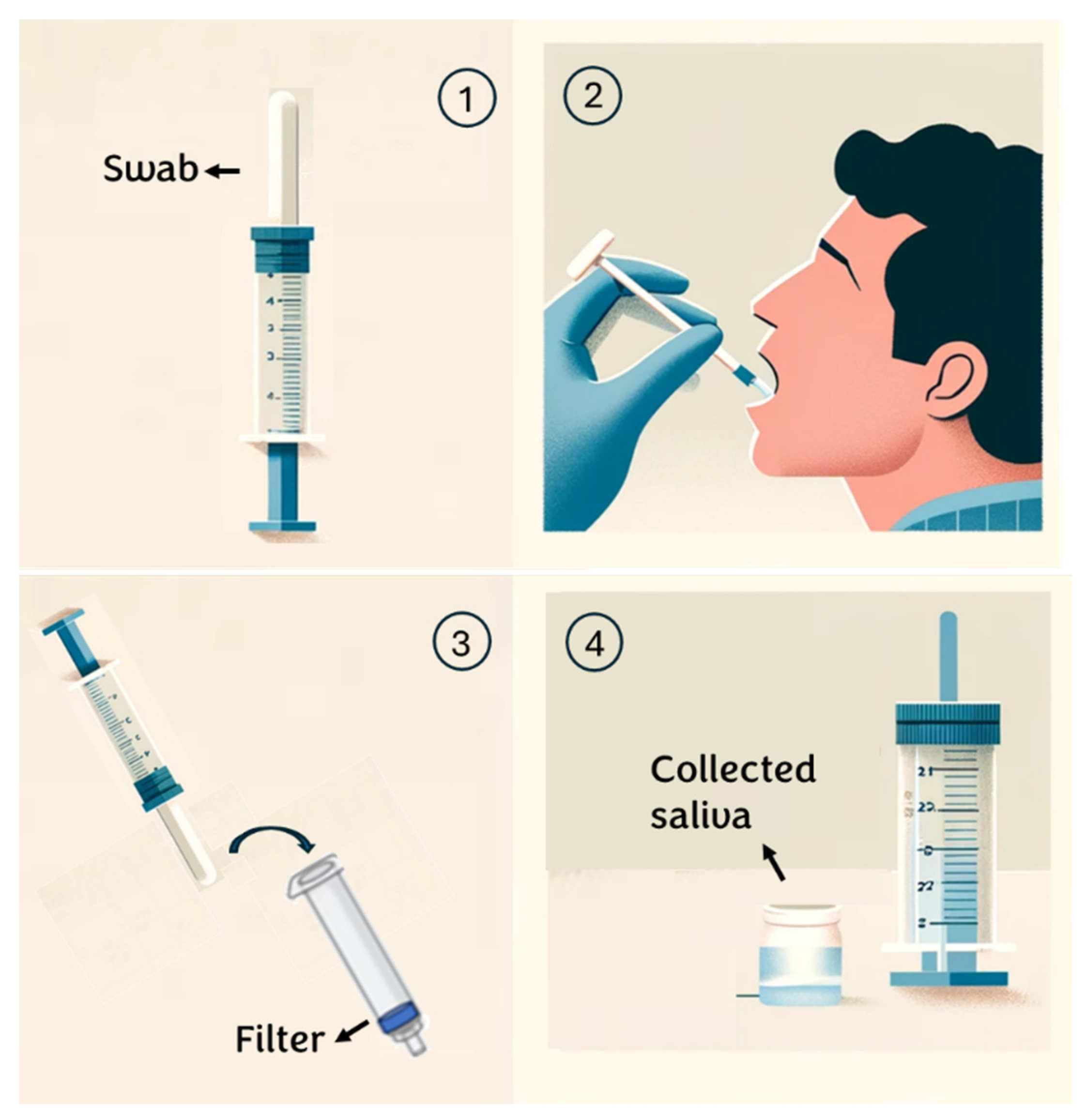
This complexity explains why saliva testing has advanced more slowly than many early headlines predicted. Blood remains more stable. Its biomarkers are easier to standardize across large populations. Saliva, on the other hand, demands more nuanced interpretation.
However, complexity does not mean impracticality. It simply means the science must mature.
What Saliva Tests Can Already Detect

Despite the technical challenges, saliva testing is not theoretical anymore. It is already being used in real clinical contexts.
The most widely recognized examples emerged during the pandemic era. Diagnostic tests capable of detecting viral RNA from saliva helped expand testing access dramatically. In addition, saliva based screening tools for HIV have been available for years, offering a noninvasive alternative to blood testing.
At present, regulatory approval remains selective. The Food and Drug Administration has authorized saliva diagnostics primarily for specific infectious diseases. Many other tests exist, though they operate under laboratory developed testing frameworks rather than full regulatory clearance.
These laboratory specific tests are often validated internally and may be overseen through regulatory pathways connected to the Centers for Disease Control and Prevention or clinical laboratory certification programs. That distinction matters because it affects insurance coverage and widespread adoption.
From a patient perspective, the experience is straightforward. A sample is collected at home or at a dental clinic, then mailed to a specialized lab. Results may include risk indicators for oral cancers, inflammatory markers, or microbial imbalance associated with periodontal disease.
Yet accessibility remains uneven, largely due to cost.
The Cost Barrier and Insurance Reality

One practical issue keeps surfacing in conversations with dental professionals. Insurance coverage is inconsistent. Many saliva diagnostics cost between one hundred and two hundred dollars per test. For preventive screening, that price can discourage routine use.
Organizations such as the National Dental Association have emphasized the potential public health value of earlier disease detection. Their argument is simple and difficult to dispute. Detecting disease earlier usually reduces long term treatment costs and improves outcomes.
However, the financial ecosystem of healthcare moves carefully. Insurers typically require strong evidence of clinical utility before expanding coverage. That evidence often depends on large scale trials, which themselves require funding.
A recent policy shift may change the trajectory. The federal program Medicare has begun outlining pathways to reimburse multicancer early detection technologies once they receive regulatory approval. This incentive could accelerate investment in saliva based diagnostics alongside blood based approaches.
When reimbursement becomes predictable, innovation tends to follow.
The Push Toward Cancer Detection
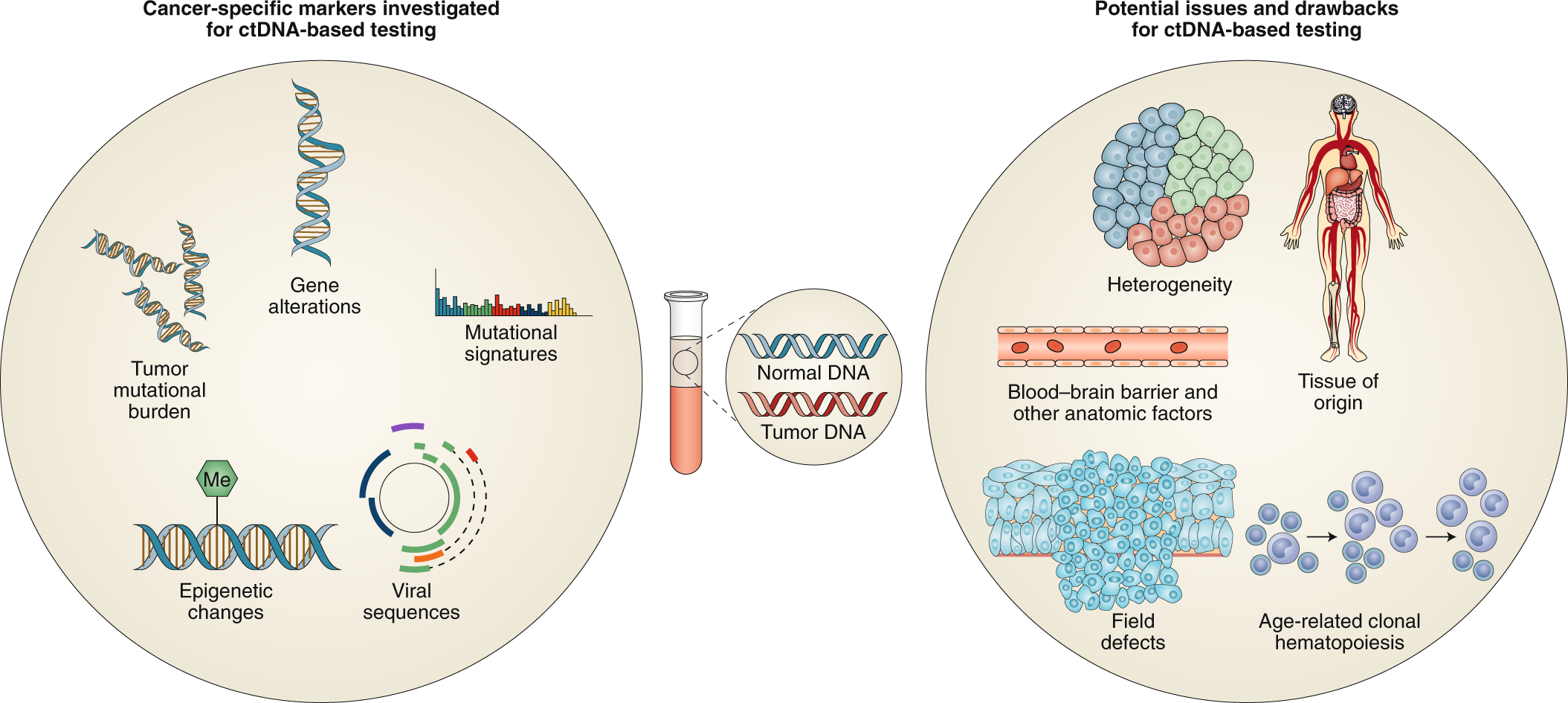
One of the most ambitious areas of research involves cancer detection. Scientists are investigating whether fragments of tumor related DNA or protein signatures can be reliably identified in saliva before physical symptoms appear.
Companies such as OrisDX are working on tests designed to detect head and neck cancers using molecular markers present in oral fluids. Early results appear promising, with reported reliability levels approaching those of established screening techniques.
Even so, researchers remain cautious. Biological variability across populations can influence results. Lifestyle factors such as smoking or diet may introduce additional noise into datasets.
There is also the broader philosophical question of how early detection should be interpreted. Finding a biomarker does not always mean disease will progress. In some cases, the body resolves abnormalities naturally.
Therefore, diagnostic interpretation must remain grounded in clinical context rather than isolated molecular signals.
Preventive Medicine and the Dental Chair
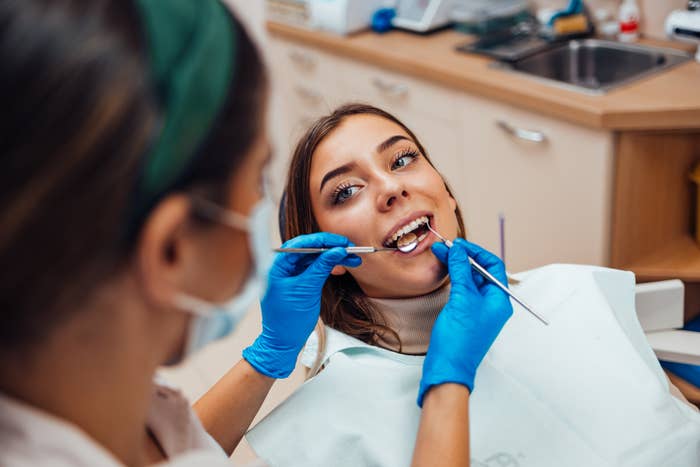
Dentistry may become one of the most important gateways for saliva diagnostics. Unlike many medical appointments that occur only when symptoms appear, dental visits tend to follow predictable intervals.
That routine structure creates an opportunity. A saliva sample collected during a standard cleaning appointment could potentially reveal early indicators of systemic conditions such as metabolic disorders or inflammatory diseases.
Members of the American Dental Association have increasingly discussed how oral health intersects with overall systemic health. The mouth is not isolated from the rest of the body. Chronic inflammation in oral tissues often correlates with cardiovascular or metabolic conditions.
Still, most dental professionals emphasize balance. Saliva diagnostics should complement traditional examinations rather than replace them. Visual inspection, radiographic imaging, and clinical judgment remain essential.
Technology expands tools. It does not eliminate expertise.
The Challenge of Standardization
Behind the scenes, researchers face a technical puzzle that rarely appears in public discussions. Standardization.
Blood testing benefits from decades of calibration frameworks. Reference ranges are well established. Instruments are tightly controlled. Saliva testing is still building those foundations.
Different collection methods can produce different results. A swab sample may capture a different molecular profile compared with passive drool collection. Time of day can also affect hormone levels detected in saliva.
To address these variables, research teams are designing multi sample models that track changes over time instead of relying on single measurements. This approach mirrors how weather forecasting improves through repeated observation.
There is also growing interest in machine learning systems capable of detecting patterns across complex biomarker sets. Rather than focusing on one molecule, algorithms analyze combinations of signals.
That direction seems promising, though it introduces new questions about transparency and interpretability.
Access and Equity Considerations
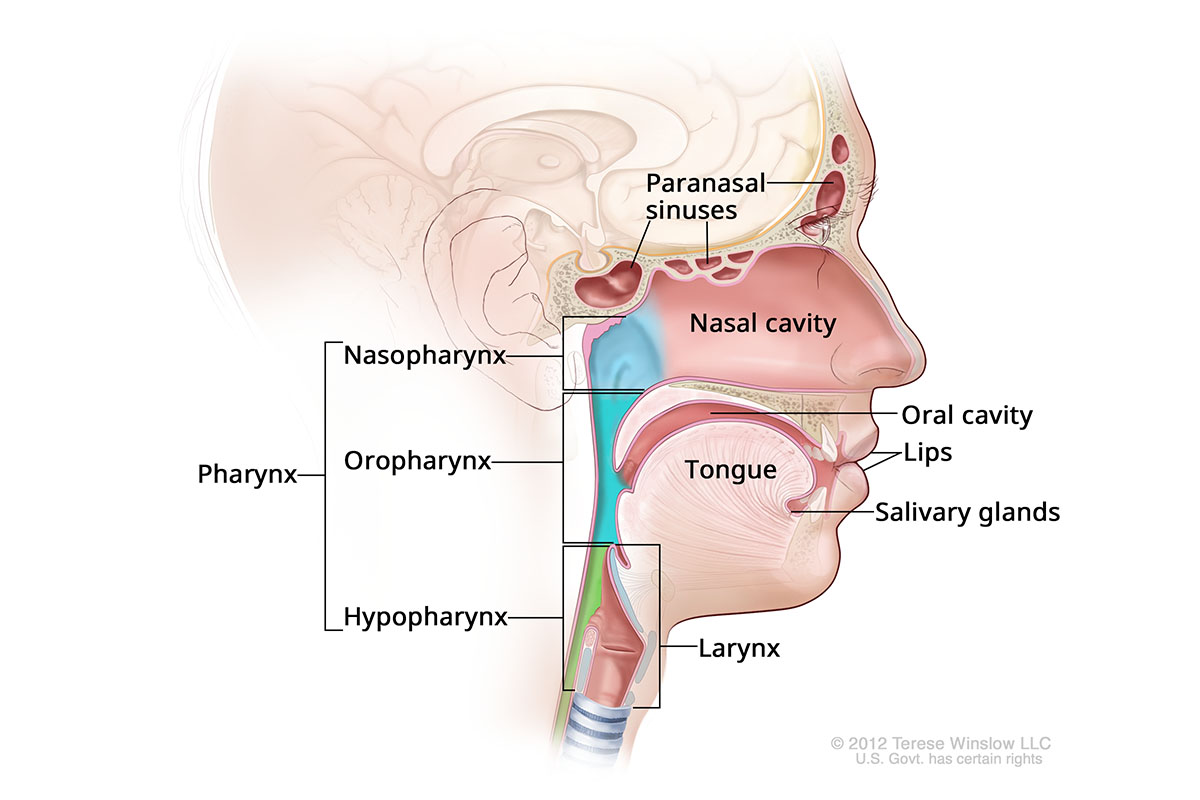
One of the most compelling arguments in favor of saliva testing involves healthcare access. In rural communities, transportation barriers often delay diagnostic care. Elderly patients may face mobility limitations. Some individuals avoid blood testing due to fear of needles.
Saliva testing removes several of these barriers. Collection kits can be shipped directly to patients. Telehealth systems can coordinate sample processing without requiring frequent clinic visits.
However, technological accessibility does not automatically guarantee equitable outcomes. Digital literacy, internet connectivity, and cost still influence who benefits most from new diagnostic tools.
Healthcare innovation has a tendency to reach well resourced populations first. Bridging that gap requires deliberate policy planning alongside scientific advancement.
A Realistic View of What Comes Next
It is tempting to imagine a future where a quick saliva sample instantly reveals every health risk. That idea appears often in technology discussions and startup presentations.
Reality will likely move more gradually.
Saliva diagnostics will expand step by step, beginning with conditions where strong biomarker signals already exist. Infectious disease detection has proven effective. Oral cancer screening appears promising. Metabolic monitoring may follow.
Some applications will succeed quickly. Others may require years of validation or may never reach clinical practicality.
Medical progress rarely moves in straight lines.
Moreover, diagnostic tools do not eliminate the need for clinical interpretation. A test result always exists within a broader health narrative that includes lifestyle, genetics, and environmental exposure.
Saliva testing will become part of that narrative rather than replacing it.
The Human Factor in Preventive Health
There is another dimension that often receives less attention. Behavior.
Even when early detection tools are available, people do not always act on the information. Preventive medicine depends not only on technology but also on decision making habits.
Consider a simple example. A patient receives a saliva test indicating elevated inflammation markers associated with periodontal disease. The result suggests improved oral hygiene and follow up care. Yet daily routines remain unchanged.
Diagnostics provide awareness. Action determines outcomes.
This behavioral layer reminds us that healthcare innovation must integrate education and communication strategies alongside laboratory science.
Looking at Saliva with Measured Optimism
When stepping back from the technical details, saliva diagnostics represent something quietly transformative. A simple biological fluid that people rarely think about may soon become a routine source of health insight.
At the same time, it helps to keep expectations grounded. Scientific validation takes time. Regulatory processes exist for a reason. Biological systems are complex, sometimes frustratingly so.
There is genuine promise here. There are also unresolved challenges.
Both realities can coexist.
Perhaps the most realistic perspective is one of measured optimism. Saliva testing is unlikely to replace traditional diagnostics, yet it may expand them in meaningful ways. It could lower barriers to early detection, improve monitoring for chronic conditions, and integrate naturally into routine dental care.
And interestingly, the future might not arrive through dramatic breakthroughs alone, but through incremental improvements that quietly reshape everyday healthcare practices.
Sometimes the most significant changes do not come from entirely new discoveries. They emerge from learning to see familiar things differently.
Open Your Mind !!!
Source: NPR


Comments
Post a Comment