How Acetaminophen Really Works: Groundbreaking Discovery Shows Pain Relief Happens Before Signals Reach the Brain
How Acetaminophen Really Works: Groundbreaking Discovery Shows Pain Relief Happens Before Signals Reach the Brain
A revolutionary scientific breakthrough has completely changed our understanding of how acetaminophen works to relieve pain. For decades, medical professionals believed this common painkiller only functioned in the brain and spinal cord. However, groundbreaking research from Hebrew University of Jerusalem reveals that acetaminophen actually stops pain at its source – in the peripheral nerves themselves, before pain signals ever reach the brain.
This discovery not only rewrites medical textbooks but also opens exciting possibilities for developing safer, more targeted pain relief medications with fewer side effects. The findings, published in the prestigious journal PNAS (Proceedings of the National Academy of Sciences USA), represent one of the most significant advances in pain medicine in recent years.
Understanding Acetaminophen: The World's Most Common Painkiller
Acetaminophen, known globally by brand names like Tylenol, Panadol, and simply called paracetamol in many countries, ranks among the world's most widely used medications. Millions of people rely on this over-the-counter drug daily to manage headaches, muscle aches, arthritis pain, and fever.
Despite its widespread use and decades of clinical application, the exact mechanisms by which acetaminophen provides pain relief have remained surprisingly unclear. This knowledge gap has puzzled researchers and limited our ability to develop improved pain management strategies.
The new research, led by Professor Alexander Binshtok from Hebrew University's Faculty of Medicine and Center for Brain Sciences, along with Professor Avi Priel from the School of Pharmacy, finally provides concrete answers about how this ubiquitous medication actually works at the cellular level.
The AM404 Discovery: A Game-Changing Compound
The key to understanding acetaminophen's true mechanism lies in a compound called AM404. When the body processes acetaminophen, it produces this metabolite, which researchers have now discovered is the actual agent responsible for pain relief.
What makes this discovery revolutionary is where AM404 works. Previous scientific understanding suggested that pain relief occurred primarily in the central nervous system – the brain and spinal cord. However, the Hebrew University team found that AM404 is produced directly in peripheral pain-sensing nerve endings, where it blocks pain transmission at the source.
Professor Binshtok explains the significance: "This is the first time we've shown that AM404 works directly on the nerves outside the brain. It changes our entire understanding of how paracetamol fights pain."

How Pain Signals Travel: Understanding the Peripheral Nervous System
To appreciate the significance of this discovery, it's essential to understand how pain signals normally travel through the body. When you experience pain – whether from an injury, inflammation, or illness – specialized nerve cells called nociceptors detect harmful stimuli and convert them into electrical signals.
These electrical impulses travel through peripheral nerves toward the spinal cord and brain, where they're processed and interpreted as pain sensations. The entire process depends on sodium channels, which are molecular gates that allow electrical signals to pass through nerve cell membranes.
Under normal circumstances, when sodium channels open, they permit sodium ions to flow into nerve cells, generating the electrical impulses that carry pain information. These impulses then propagate along nerve fibers like electrical current through a wire, eventually reaching pain processing centers in the brain.
The Sodium Channel Blockade: Stopping Pain at Its Source
The Hebrew University research revealed that AM404 works by directly blocking specific sodium channels in pain-sensing nerves, particularly channels designated as NaV1.7 and NaV1.8. These channels are crucial for generating and transmitting pain signals from peripheral tissues to the central nervous system.
When AM404 blocks these sodium channels, it prevents the generation of electrical impulses that would normally carry pain information. Essentially, AM404 acts like a molecular switch, turning off pain signals before they can begin their journey to the brain.
This mechanism differs fundamentally from how traditional local anesthetics work. While conventional numbing agents also block sodium channels, they affect all types of nerve fibers indiscriminately, causing numbness, muscle weakness, and loss of sensation. AM404, however, appears to selectively target pain-specific channels, potentially avoiding these unwanted side effects.
Research Methodology and Scientific Validation
The research team employed sophisticated experimental techniques to validate their findings. Using both laboratory cell cultures and animal models, they demonstrated that AM404 directly inhibits sodium currents in pain-sensing neurons, effectively blocking action potential generation.
The scientists tested their hypothesis using rats with both normal and inflamed tissues. In both conditions, AM404 successfully reduced pain-related behaviors, confirming its effectiveness as a peripheral pain blocker. Importantly, the researchers verified that this analgesic effect was specific to AM404 and not observed with other metabolites produced when the body processes acetaminophen.
The study's rigorous methodology included patch-clamp electrophysiology techniques, which allow researchers to measure electrical activity in individual nerve cells with extraordinary precision. This approach provided direct evidence that AM404 inhibits the specific sodium channels responsible for pain signal transmission.
Clinical Implications: Safer Pain Management Options
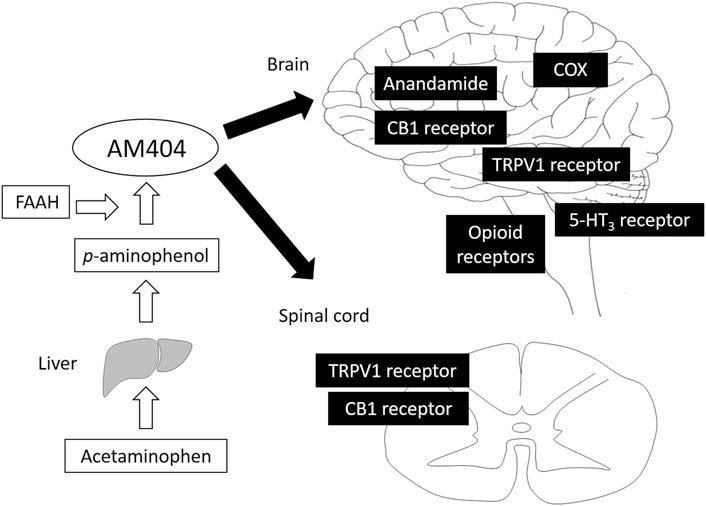
This discovery has profound implications for clinical pain management. Understanding that acetaminophen works peripherally, rather than solely in the central nervous system, opens new avenues for developing targeted therapies with improved safety profiles.
Current local anesthetics, while effective, often cause significant side effects including complete numbness, muscle weakness, and temporary paralysis of treated areas. These effects occur because traditional anesthetics block all sodium channels, affecting motor nerves that control muscle movement and sensory nerves that provide normal touch sensation.
Professor Priel emphasizes the therapeutic potential: "If we can develop new drugs based on AM404, we might finally have pain treatments that are highly effective but also safer and more precise."
Advantages Over Traditional Pain Relief Methods
The peripheral action of AM404 offers several significant advantages over existing pain management approaches:
Selective Targeting: Unlike broad-spectrum painkillers that affect multiple systems, AM404 specifically targets pain-transmitting sodium channels, potentially reducing unwanted side effects.
Localized Action: By working at the site where pain signals originate, AM404 may provide more effective relief with lower doses, reducing systemic drug exposure.
Preserved Function: Traditional local anesthetics cause complete numbness and muscle weakness. AM404's selective action could maintain normal sensation and motor function while blocking pain.
Reduced Central Effects: Many pain medications cause drowsiness, cognitive impairment, or addiction risks by acting on the brain. Peripheral action could minimize these central nervous system effects.
Implications for Chronic Pain Management
Chronic pain affects millions of people worldwide and represents one of medicine's greatest challenges. Current treatments often provide inadequate relief or cause intolerable side effects, leaving patients with limited options.
The AM404 discovery could revolutionize chronic pain treatment by providing a new class of medications that target pain at its source. For conditions like arthritis, neuropathy, or inflammatory disorders, drugs based on AM404's mechanism could offer sustained relief without the complications associated with long-term opioid use or repeated injections of traditional local anesthetics.
Future Drug Development Opportunities
The research opens exciting possibilities for pharmaceutical development. Scientists can now work to create synthetic versions of AM404 or develop related compounds that enhance its pain-blocking properties while maintaining selectivity for pain-specific sodium channels.
Potential applications include:
Topical Pain Relievers: Creams or gels containing AM404-based compounds could provide targeted relief for localized pain conditions like arthritis or sports injuries.
Injectable Formulations: Long-acting versions could replace traditional local anesthetics for surgical procedures or chronic pain management.
Oral Medications: Enhanced oral formulations might provide better pain relief than current acetaminophen preparations by optimizing AM404 production.
Rewriting Medical Understanding
This discovery fundamentally challenges established medical knowledge about acetaminophen's mechanism of action. Medical textbooks, pharmaceutical references, and clinical guidelines will need updating to reflect this new understanding of peripheral pain blockade.
The finding also highlights how much we still don't know about common medications. Despite acetaminophen's century-long history of use, this basic mechanism remained hidden until advanced research techniques revealed the truth.
This research exemplifies how continued scientific investigation can uncover new aspects of familiar treatments, leading to improved therapeutic approaches and better patient outcomes.
Safety Considerations and Side Effect Profiles
Understanding acetaminophen's peripheral mechanism also provides new insights into its safety profile. The discovery that significant pain relief occurs through peripheral nerve blockade, rather than solely through central nervous system effects, may explain why acetaminophen generally causes fewer cognitive side effects compared to other pain medications.
However, this doesn't change existing safety recommendations regarding acetaminophen use. The drug still requires careful dosing to avoid liver toxicity, and patients should continue following established guidelines for safe use.
Global Impact on Pain Medicine
The implications of this research extend far beyond academic interest. Pain management represents a critical global health challenge, with billions of people worldwide requiring effective, safe pain relief options.
This discovery could influence pain treatment protocols in hospitals, clinics, and emergency departments worldwide. Healthcare providers may develop new strategies for using acetaminophen more effectively, potentially reducing reliance on more dangerous alternatives like opioids.
Environmental and Economic Benefits
Developing more effective pain medications based on AM404's mechanism could also provide environmental and economic benefits. More targeted drugs might require smaller doses, reducing pharmaceutical waste and manufacturing costs. Additionally, improved pain management could reduce healthcare utilization by preventing chronic pain conditions and reducing complications from current treatments.
Future Research Directions
While this discovery represents a major breakthrough, many questions remain for future investigation:
Optimization Studies: Researchers need to determine optimal formulations and delivery methods to maximize AM404's therapeutic potential.
Clinical Trials: Human studies will be necessary to confirm the safety and efficacy of AM404-based treatments in patients.
Mechanism Refinement: Scientists will continue investigating exactly how AM404 selects specific sodium channels while sparing others.
Combination Therapies: Research into combining AM404-based treatments with other pain management approaches could yield even better outcomes.
Conclusion: A New Era in Pain Management
The discovery that acetaminophen works through peripheral AM404 production represents a paradigm shift in pain medicine. By revealing that this common medication blocks pain at its source in peripheral nerves rather than just in the brain, researchers have opened entirely new possibilities for developing safer, more effective pain treatments.
This breakthrough demonstrates the importance of continued research into established medications. Even drugs used for decades can still surprise us with hidden mechanisms that, once understood, can lead to revolutionary improvements in treatment.
As research progresses from laboratory discovery to clinical application, patients worldwide may benefit from a new generation of pain medications that provide superior relief with fewer side effects. The AM404 discovery represents not just a scientific achievement, but a potential pathway to reducing human suffering through better pain management.
The journey from understanding AM404's mechanism to developing new therapeutic applications will require continued research, clinical testing, and regulatory approval. However, this foundational discovery provides the scientific basis for what could become one of the most significant advances in pain medicine in generations.
Open Your Mind !!!
Source: NeuroscienceNews


Comments
Post a Comment