Chronic Pain Linked to Neuron Overactivity in the Brainstem
Chronic Pain Linked to Neuron Overactivity in the Brainstem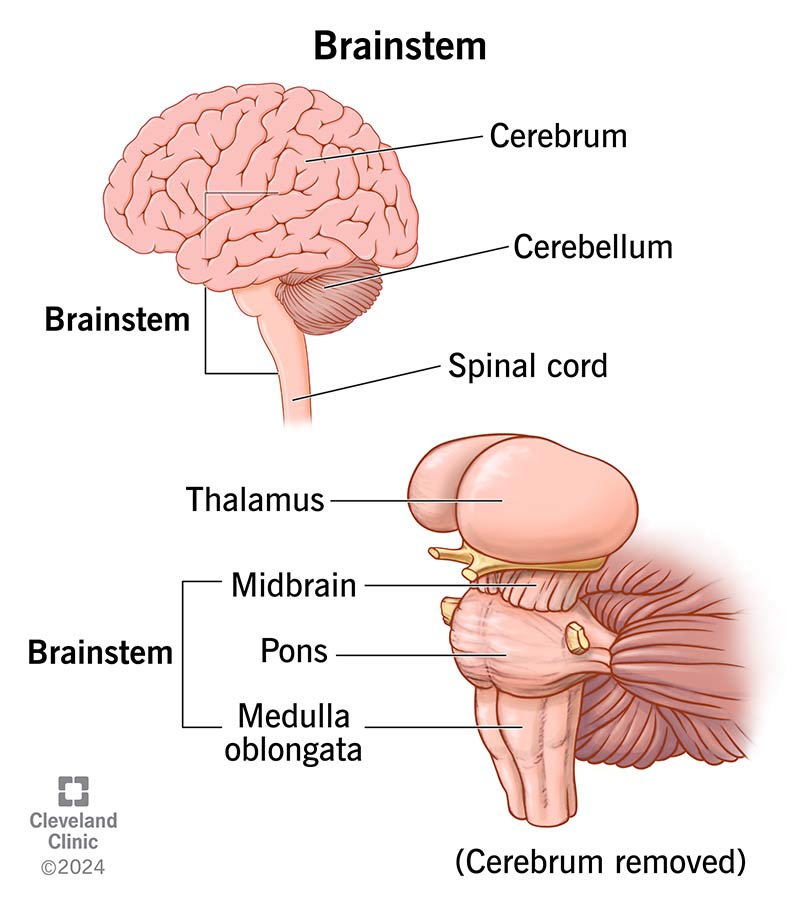
Chronic pain plagues more than 50 million adults in the United States alone. Unlike acute pain—which serves as a warning signal after injury—chronic pain lingers, disrupting daily life for countless people globally. Scientists at the Hebrew University of Jerusalem have recently uncovered a critical mechanism in the brainstem that may explain why some pain never turns off. This discovery opens new doors for targeted therapies aimed at restoring the brain’s natural “pain brake” and preventing acute discomfort from becoming a lifelong burden.
Table of Contents
-
Understanding Acute vs. Chronic Pain
-
The Medullary Dorsal Horn: Pain’s Relay Station
-
A-Type Potassium Current (IA): The Neuronal Brake
-
Why the Brake Fails in Chronic Pain
-
Implications for Pain Therapy
-
Key Facts and Study Highlights
-
Future Directions in Pain Research
-
Conclusion
-
50+ Long-Tail SEO Keywords
Understanding Acute vs. Chronic Pain
Acute pain is the body’s immediate response to injury or inflammation. It triggers protective reflexes and prompts medical attention, typically subsiding once healing occurs. In contrast, chronic pain persists for months or even years, long after tissue repair finishes. Common examples include back pain, migraine, neuropathic pain, and arthritis discomfort.
-
Acute inflammatory pain: Short‑term, often intense, and linked to injury or infection.
-
Chronic neuropathic pain: Long‑term, arising from nerve damage or dysfunction.
Researchers have long suspected that changes within the central nervous system underlie pain chronification. The latest study zeroes in on neurons deep within the brainstem, revealing how they behave differently in acute versus chronic states.
The Medullary Dorsal Horn: Pain’s Relay Station
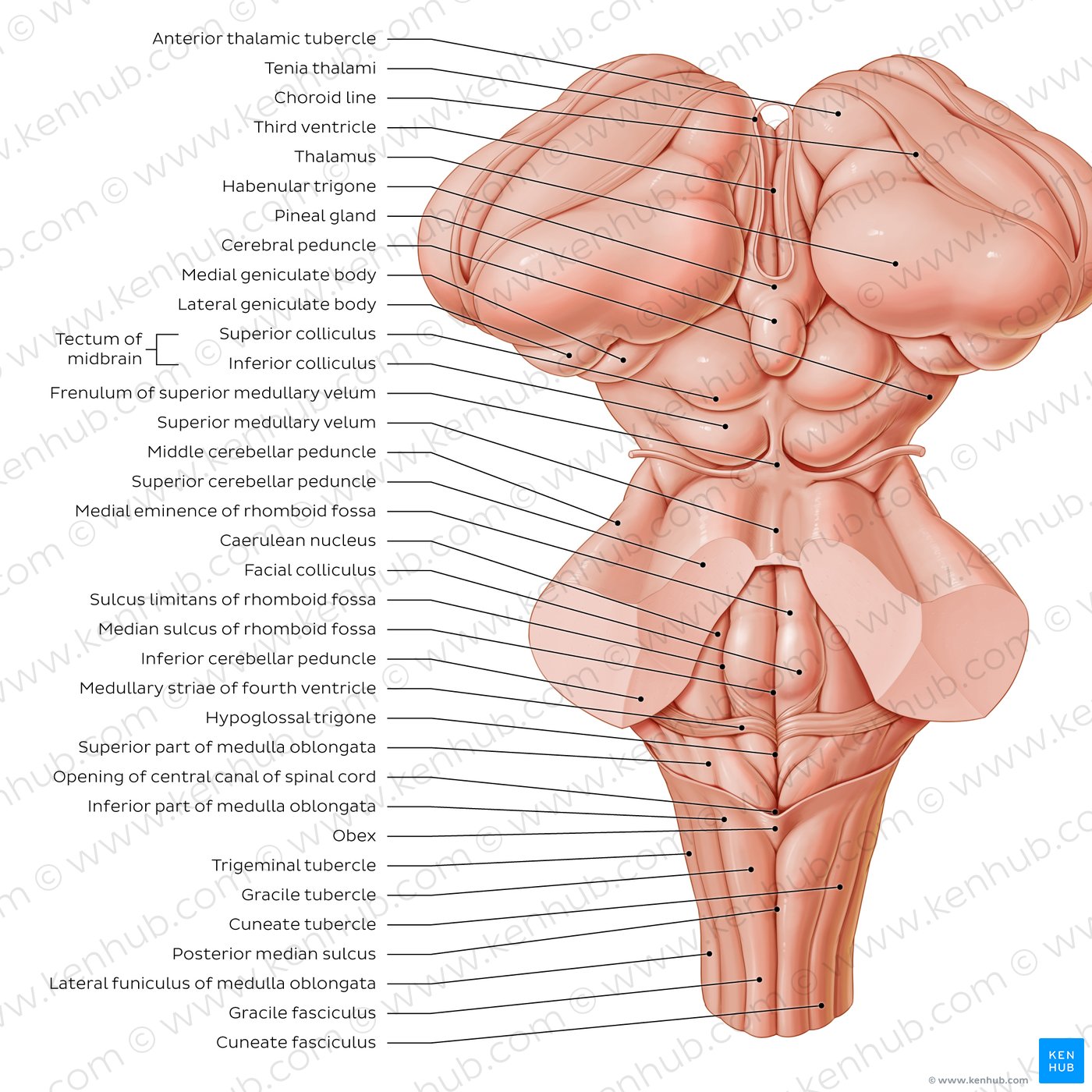
The medullary dorsal horn is a small region in the brainstem that serves as a crucial relay station for pain signals traveling from the body to higher brain centers. Projection neurons in this area receive input from peripheral nerves and transmit nociceptive (pain) messages toward the brain.
Key roles of the medullary dorsal horn:
-
Signal integration: Combines inputs from multiple pain receptors.
-
First line of central pain modulation: Contains intrinsic mechanisms to tone down signal flow.
-
Gateway to higher pain centers: Feeds information to the thalamus and cortex, shaping pain perception.
In healthy, acute pain conditions, these neurons activate an internal braking system to prevent overload of pain signals.
A-Type Potassium Current (IA): The Neuronal Brake
At the heart of the braking system is the A-type potassium current (IA). This specific potassium flow across neuronal membranes regulates excitability by:
-
Delaying action potential onset: Slows down how quickly neurons fire.
-
Limiting repetitive firing: Prevents neurons from becoming overactive.
-
Restoring resting potential: Helps cells return to baseline after activation.
In Acute Pain
-
IA increases at the peak of inflammation.
-
Neurons in the medullary dorsal horn reduce their firing rates.
-
The body experiences temporary pain relief until healing completes.
Why the Brake Fails in Chronic Pain
In chronic pain models, researchers observed:
-
No upregulation of IA in projection neurons.
-
Persistent hyperexcitability: Neurons fire more action potentials, sending continuous pain messages.
-
Loss of intrinsic regulation: The built‑in sedative effect of IA disappears.
This failure to engage the potassium‑mediated brake transforms transient pain into a self‑sustaining cycle of neuronal overactivity.
Implications for Pain Therapy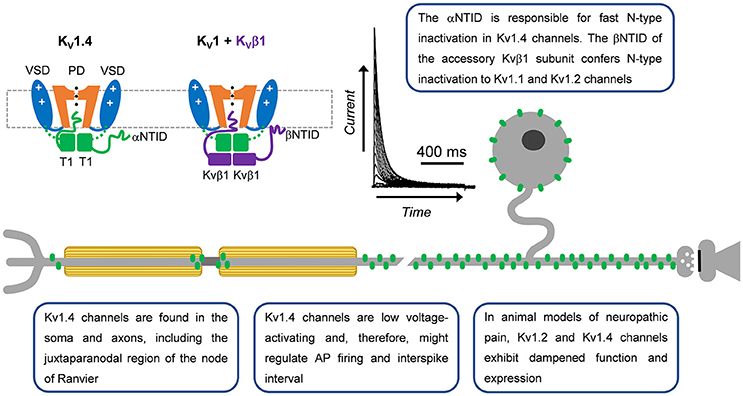
The identification of IA dysfunction in chronic pain offers two promising treatment avenues:
-
IA-Enhancing Drugs
-
Small molecules or biologics designed to boost A-type potassium currents.
-
Potential to restore neuronal brake and reduce pain signals.
-
-
Gene Therapy Approaches
-
Viral vectors to upregulate IA channel expression in the medullary dorsal horn.
-
Precise targeting could minimize off-target effects.
-
By focusing on restoring the brainstem’s natural pain mitigation, future therapies may finally address pain at its source rather than simply masking symptoms.
Key Facts and Study Highlights
-
Source: Hebrew University of Jerusalem, published in Science Advances.
-
Lead Researchers: Prof. Alexander M. Binshtok and doctoral student Ben Title.
-
Techniques Used: Electrophysiology, computer modeling, and chronic pain animal models.
-
Major Discovery: IA is the missing regulatory switch in chronic pain conditions.
Future Directions in Pain Research
The study opens multiple research pathways:
-
Mapping IA Distribution: Determining which subtypes of potassium channels are most critical in the medullary dorsal horn.
-
Human Translation: Validating IA-targeted strategies in clinical trials for back pain, fibromyalgia, and neuropathy.
-
Combination Therapies: Pairing IA enhancers with existing analgesics for synergistic pain relief.
-
Non‑Invasive Neuromodulation: Exploring whether transcranial magnetic or electrical stimulation can modulate IA indirectly.
Conclusion
This landmark study links chronic pain to a failure of the brainstem’s intrinsic potassium‑based braking system. By illuminating how medullary dorsal horn neurons lose their ability to dampen signals, researchers have pinpointed a novel therapeutic target: the A‑type potassium current. Future treatments harnessing this mechanism could revolutionize chronic pain care, shifting the paradigm from symptom management to biological restoration of pain control.


Comments
Post a Comment